What should I read next?
A UX research and design exploration of how recommendation systems can encourage exploration, curiosity, and meaningful knowledge discovery in public libraries.

The Problem
Public libraries have always been places of discovery. Increasingly, however, discovery happens through digital interfaces that prioritize search over exploration. While recommendation systems are common across commercial platforms, library catalogs often focus on helping users retrieve known items rather than encounter something new.
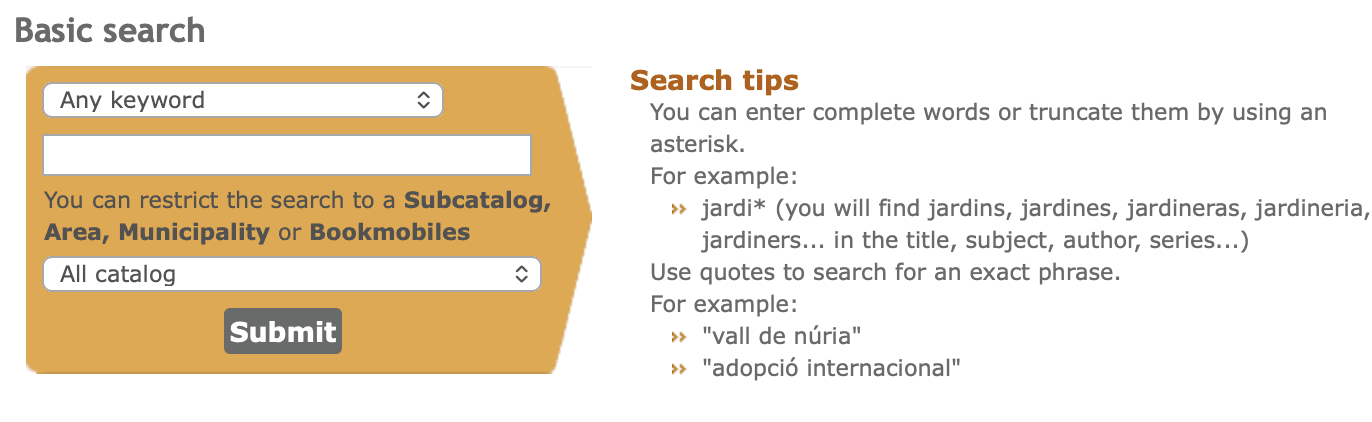
Aladi is the central catalog used to access books, media, and resources across Barcelona's public library network. Although it provides access to a rich collection, the experience is largely designed around search. Users who aren't looking for a specific title have few opportunities to browse, explore, or discover books that align with their interests.
This project explored how a recommendation system could support curiosity-driven discovery, helping readers find books they didn't know they were looking for while encouraging exploration and lifelong learning.
The problem isn’t lack of content. It’s lack of visibility inside the catalog experience:
The Hypothesis
Public library catalogs are primarily designed to help users find what they already know they're looking for. This project explored whether designing for curiosity and exploration could better support discovery, helping readers find books they didn't know they were looking for while encouraging continued engagement with the library.
This project explored whether:
Supporting exploration could help users discover books beyond known-item search.
Providing meaningful recommendations could reduce decision fatigue and encourage continued reading.
Designing for curiosity could create a more engaging digital library experience that supports lifelong learning.
Understanding Discovery
How people discover books
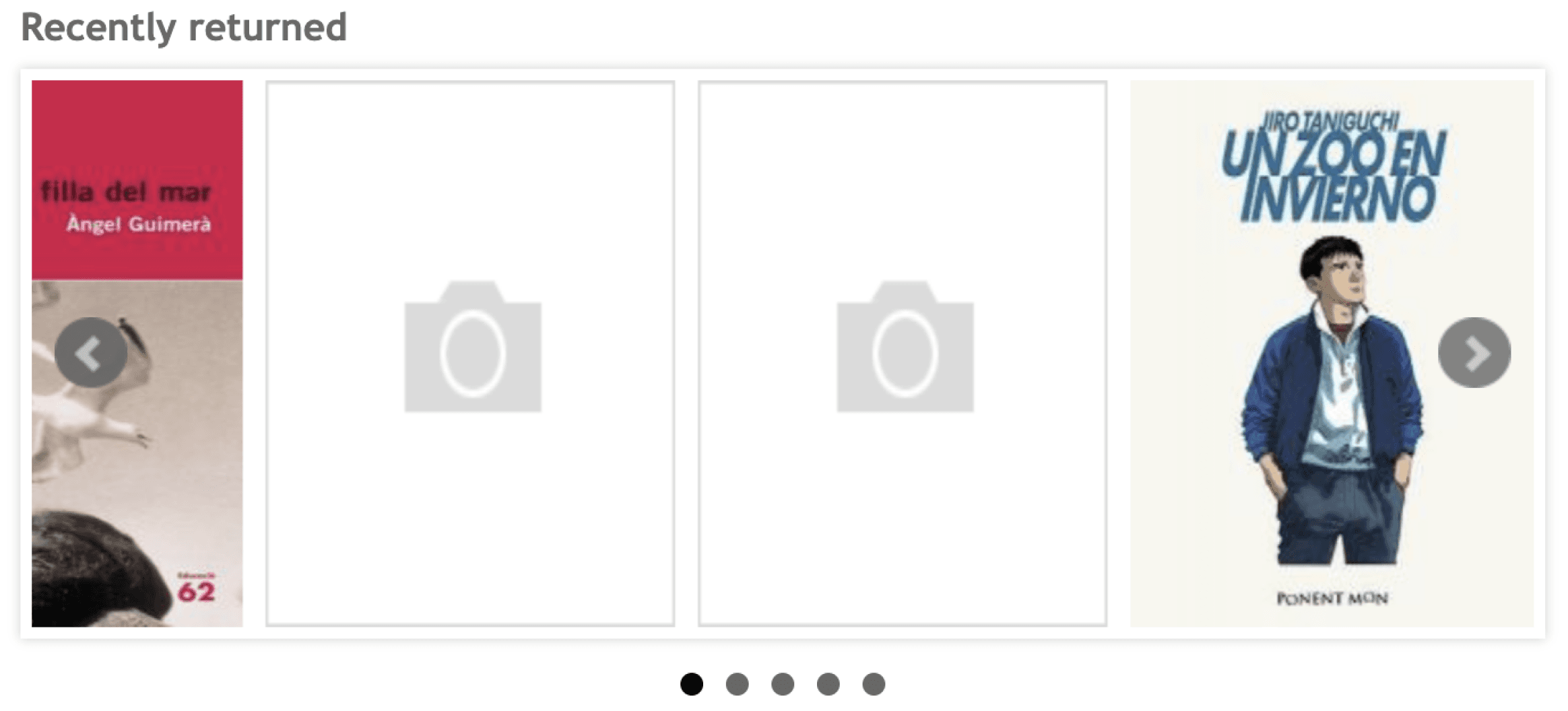
The existing experience prioritizes retrieval over discovery, offering little context, guidance, or opportunity for exploratory browsing.
Where the digital experience falls short
The catalog excels at helping users retrieve known books, but offers little support for exploration. Despite its extensive collection, there are few opportunities to surface relevant recommendations, make unexpected connections, or guide readers toward something new.
The question shifted from "How do people search?" to "How might a digital library better support discovery?"
Key Insights
Discovery begins with uncertainty. People often know the kind of book they want, but not the exact title.
Guidance encourages exploration. When readers receive meaningful recommendations, they're more willing to continue browsing instead of abandoning the search.
Discovery is a learning experience. Finding an unexpected book can expand interests, introduce new perspectives, and encourage continued engagement with reading.
Designing
The research shifted the focus from helping users retrieve known books to supporting curiosity-driven discovery. Rather than replacing search, the goal became creating opportunities for exploration throughout the digital library experience.
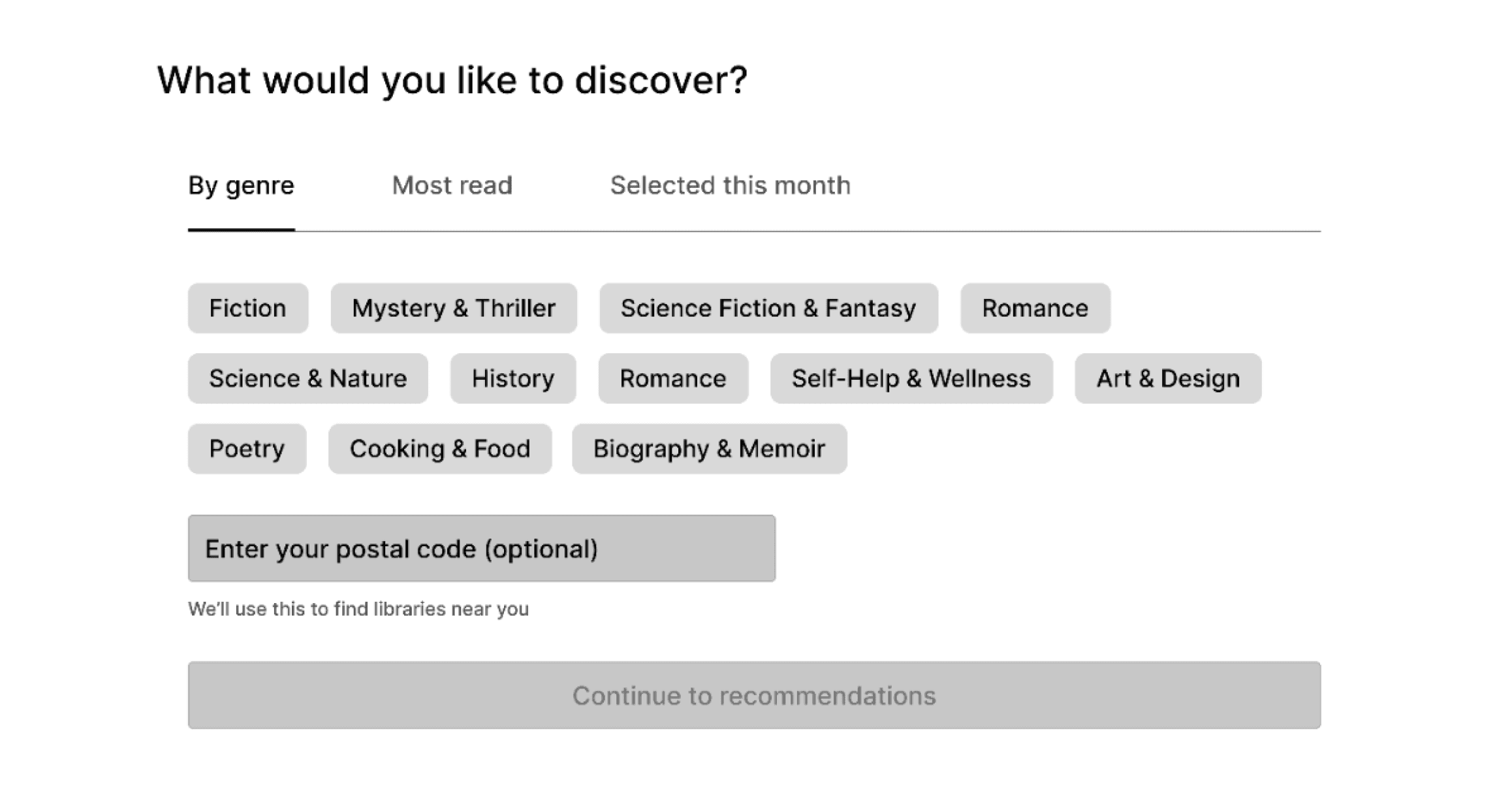
The first concept introduced recommendations as an alternative entry point into the catalog, allowing readers to browse by interest rather than begin with a specific search.
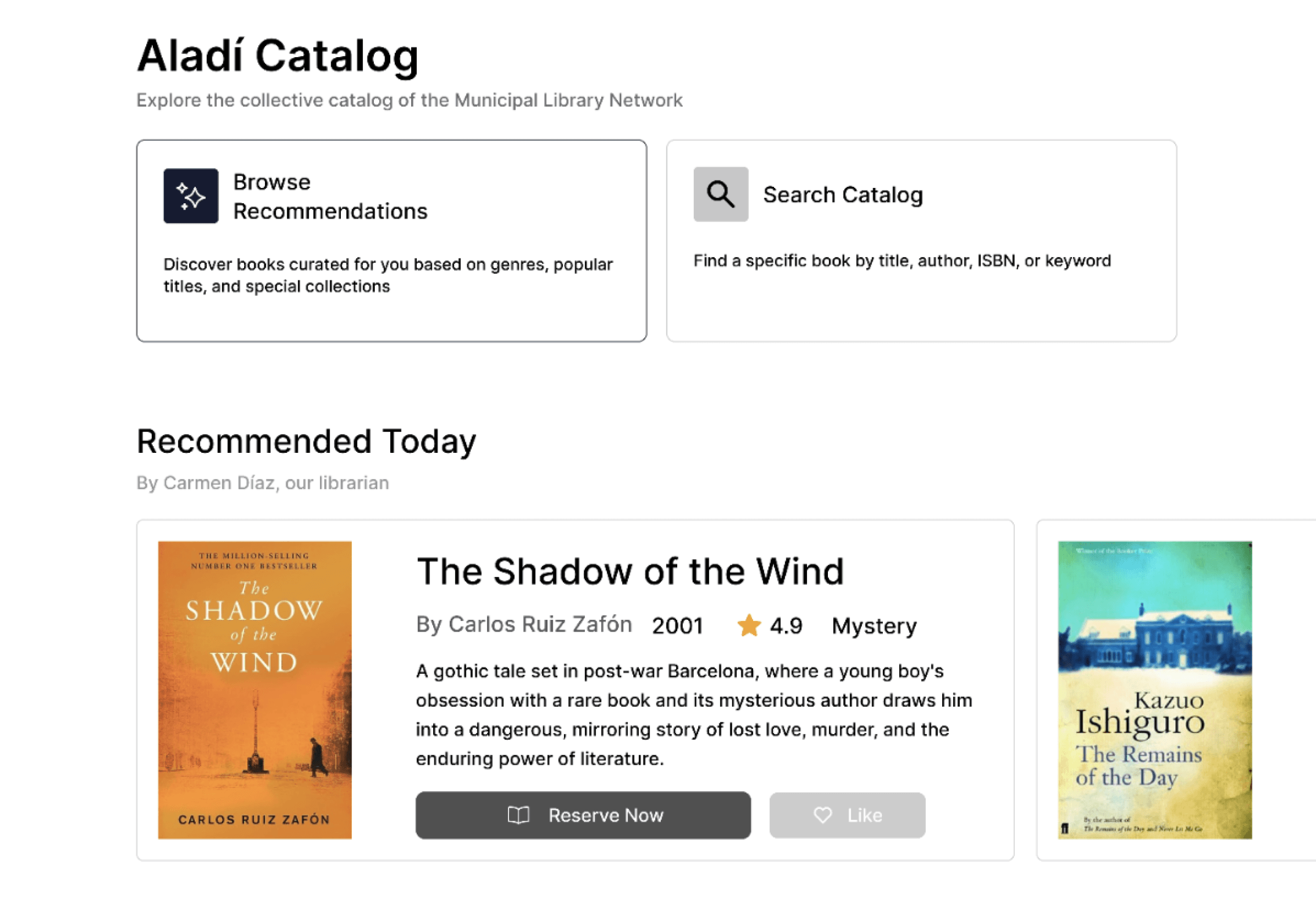
Search remained available for users with a specific goal, while recommendations supported readers who were looking for inspiration, guidance, or something unexpected.
Principles that Guided the Design
Support discovery without requiring a specific search.
Reduce decision fatigue through contextual recommendations.
Encourage exploration with multiple browsing paths.
Provide recommendations that feel relevant without limiting curiosity.
The research suggested that the challenge was not improving search, but supporting discovery. Rather than designing a better search experience, the opportunity became creating new pathways for curiosity and exploration throughout the digital library. These insights shaped the principles behind the proposed solution.
Testing and iteration
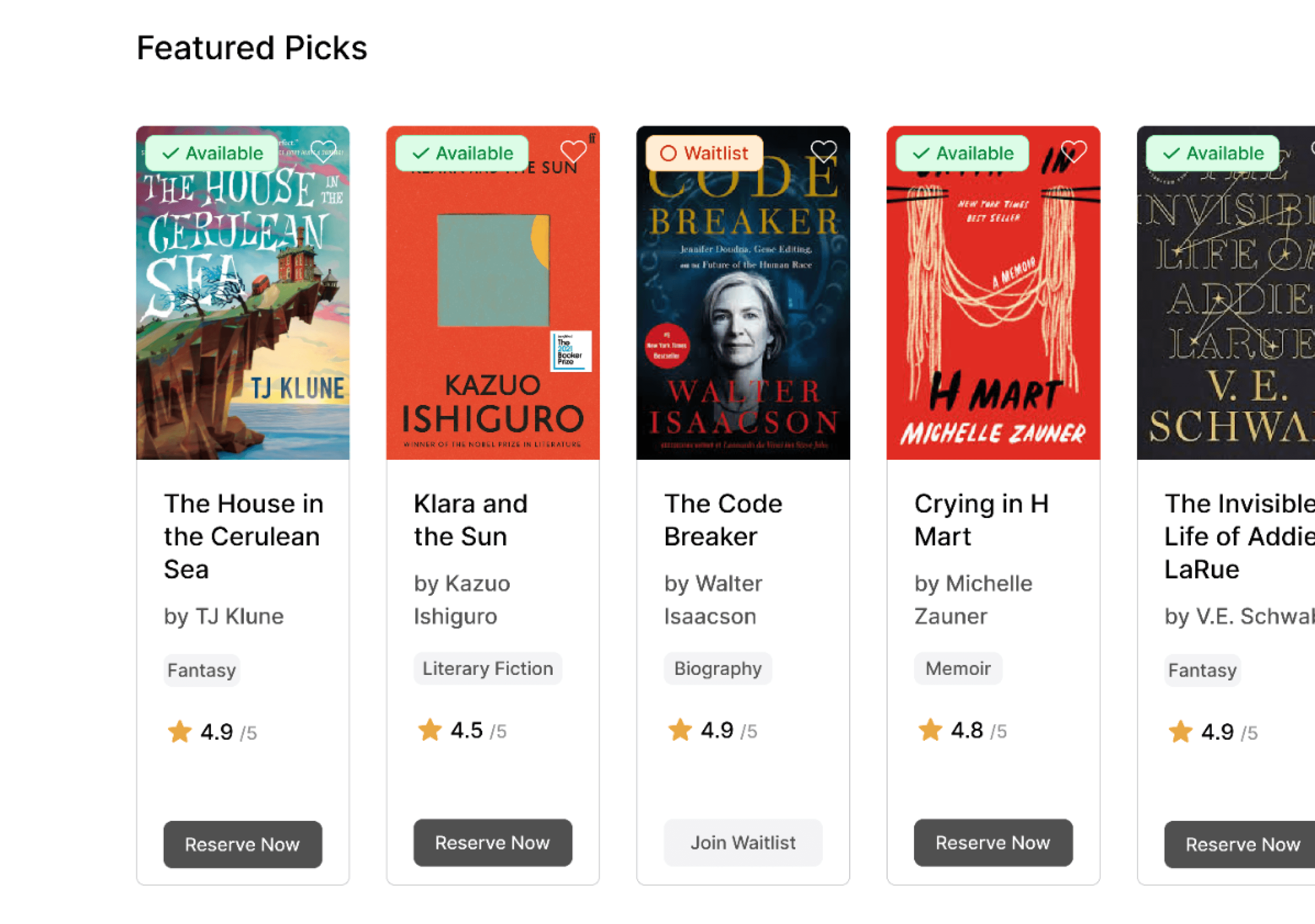
Early concepts explored how recommendations could best support discovery. Feedback focused on what made recommendations feel trustworthy, relevant, and worth exploring. While generic suggestions were easy to overlook, recommendations that provided more context and visual cues encouraged further exploration
Refinements
Making recommendations feel more relevant and personalized.
Reducing the effort required to choose what to read next.
Integrating recommendations naturally into the browsing experience.
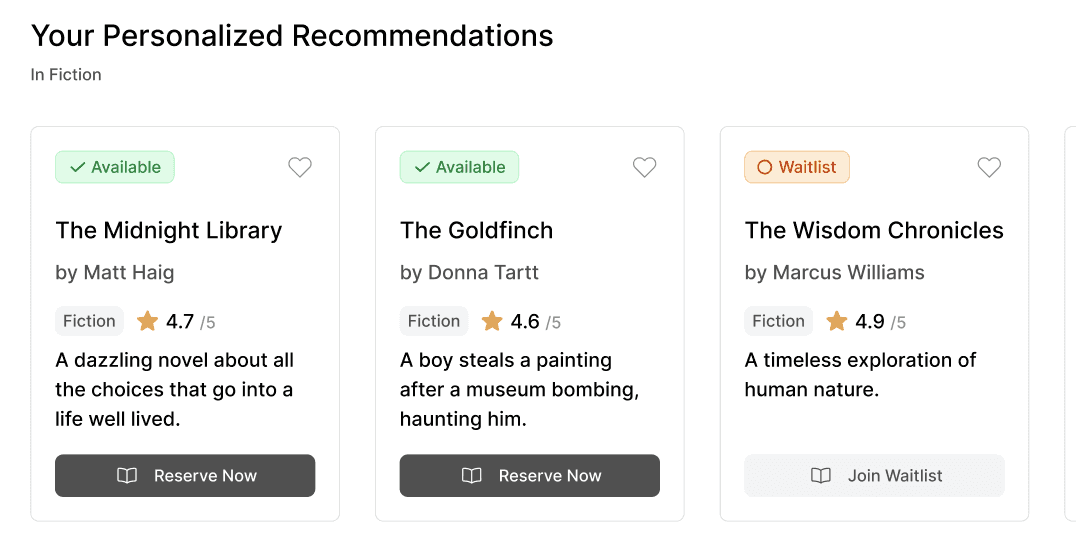
Early recommendations introduced new discovery pathways, but users wanted more context to understand why a book had been suggested and whether it matched their interests.
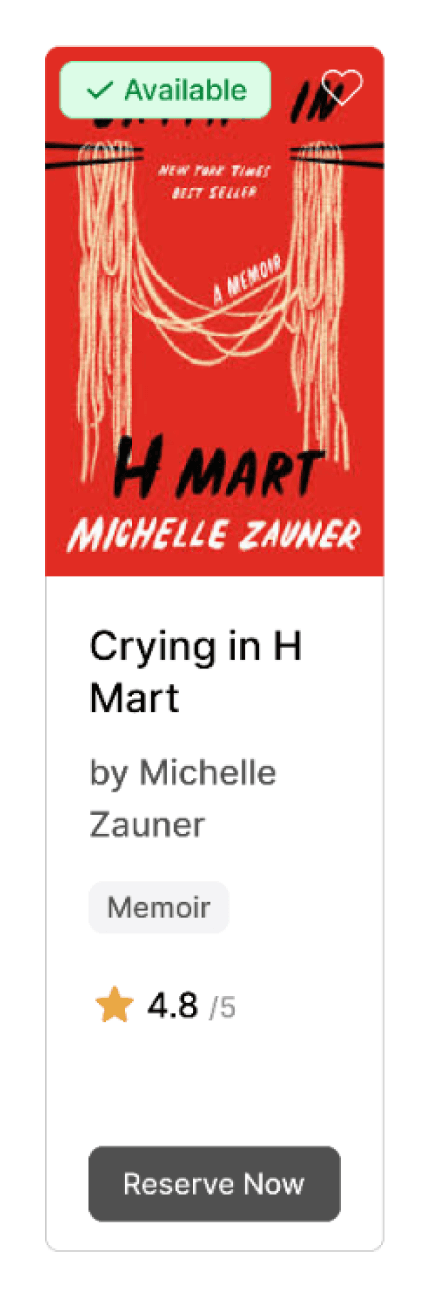
Adding richer visual context (book covers) helped recommendations stand out, making it easier for readers to evaluate and explore suggested books.
What this reinforced
The iterative process reinforced that designing for discovery is not simply about presenting more options. It is about reducing uncertainty, providing meaningful guidance, and making exploration feel approachable.
Reflection
This project shifted how I think about discovery.
What initially seemed like a problem of access revealed itself as a problem of direction. Most people don’t come in knowing exactly what they want. They come in hoping to find something, but the system assumes they already have an answer.
Designing for discovery meant focusing less on search and more on guidance. Small decisions, like introducing context, adding imagery, or suggesting a clear next step, had a greater impact than expanding the catalog itself.
If I continued this project, I would explore how to make recommendations feel more personal over time, without requiring too much input from the user.
Purpose-driven at heart, I build products part of something greater ✩₊˚.⋆☾⋆⁺₊✧